EDP vs EDT vs Parfum comes down mainly to fragrance concentration—but the label is only a starting point. Eau de Toilette (EDT) generally contains less fragrance material than Eau de Parfum (EDP), while Parfum or Extrait usually contains more. However, these terms are not governed by one universal international concentration standard, and two fragrances with the same label can smell, project and last very differently.
If you are shopping for perfume in India, do not choose by concentration name alone. Read the official product details, test the fragrance on your skin, notice how it develops during your normal routine and decide whether its scent, presence and price suit you. This guide explains what the common labels mean and how to compare them without assuming that “stronger” automatically means “better.”
EDP vs EDT vs Parfum at a glance
The International Fragrance Association (IFRA) describes these names as general label descriptors rather than strictly defined international categories. For ethanol-based fragrances, IFRA provides the following typical industry ranges:
| Fragrance label | Typical fragrance concentration | What the label usually suggests |
|---|---|---|
| Eau de Cologne (EDC) | 3–8% | A comparatively lighter concentration |
| Eau de Toilette (EDT) | 5–15% | A lighter-to-moderate concentration |
| Eau de Parfum (EDP) | 10–20% | A moderate-to-higher concentration |
| Parfum / Perfume Extract / Extrait | 15–40% | A higher concentration, often worn in smaller amounts |
These ranges overlap. An EDT at the upper end can contain a concentration close to an EDP at the lower end. IFRA also notes that usage varies by market segment and region. Treat the percentages as a helpful map, not a guarantee. You can review the source in IFRA’s guidance on fragrance standards and concentration terminology.
What does fragrance concentration actually mean?
A perfume formula combines aromatic materials with a carrier, commonly alcohol in a spray fragrance. The concentration term broadly indicates the proportion of fragrance material in that finished product. It does not reveal the complete formula, the quality of each material, the balance of notes or exactly how the scent will behave on your skin.
Think of concentration as one specification among several. A higher number may allow a fuller or longer-wearing expression, but the experience also depends on the materials and how the perfumer has structured them. Volatile opening notes, heavier base materials, the spray mechanism, application amount, skin, clothing and surroundings all influence what you perceive.
This is also why understanding top, heart and base notes is useful. Concentration and note structure answer different questions: concentration gives you a broad idea of strength, while the note development tells you how the fragrance changes from its opening to its dry-down.
What is Eau de Toilette (EDT)?
Eau de Toilette usually sits below Eau de Parfum in concentration. Many shoppers associate EDT with a lighter feel, but that description should not be taken as a promise that every EDT is quiet or short-lived. A formula built around highly diffusive materials can be noticeable even at a lower concentration.
An EDT may suit someone who prefers a less dense fragrance experience, wants flexibility during the day or finds a particular EDP version too rich. It can also be a practical format to compare in warm weather or for daytime wear—but the decision should be made fragrance by fragrance. “EDT” alone does not tell you whether it is suitable for an office, how many sprays to use or how long it will remain noticeable.
What is Eau de Parfum (EDP)?
Eau de Parfum generally uses a higher fragrance concentration than EDT. It is a popular middle ground for shoppers who want a clearly present scent without automatically moving to an extrait. Still, EDP is not a universal performance grade. One EDP may sit close to the skin while another projects more strongly.
Do not assume an EDP is simply the EDT with extra perfume oil. Brands sometimes adjust the balance of notes or create a related but distinct interpretation for each concentration. The Perfume Society likewise advises that different concentrations may feature different notes rather than functioning only as stronger and weaker versions. If both versions exist, compare them independently from opening to dry-down.
What is Parfum or Extrait?
Parfum, perfume extract and extrait de parfum generally refer to the highest concentration group in this comparison. These formats may feel richer and can be priced higher per millilitre, but concentration does not always translate into a bigger scent cloud. Some extraits are designed to stay relatively close to the wearer while developing slowly.
A higher concentration can also change texture and emphasis. The opening may feel less sparkling, while the heart and base can appear more prominent—but that is a tendency, not a rule. Apply only according to the product’s directions and evaluate the actual fragrance rather than using the word “Parfum” as a shortcut for quality.
Does EDP always last longer than EDT?
No. An EDP often has the potential to last longer than the related EDT, but the label cannot guarantee it. Longevity depends on the complete formula, the materials used, application, environment and what “lasting” means to the wearer. A scent may remain on the skin for many hours while becoming very quiet, or it may project noticeably at first and then soften quickly.
Your nose also adapts to familiar smells. Not noticing your own perfume after some time does not prove that it has disappeared. Before reapplying, check it at close range or ask a trusted person for neutral feedback. This is especially important in a shared workplace; our guide to office perfume etiquette in India explains why desk-side reapplication can be uncomfortable for colleagues.
Is a higher concentration better value?
Not automatically. Compare the price, bottle size, amount you genuinely use and how much you enjoy the formula. A lower-priced bottle is not good value if you dislike its development, while a higher concentration is not good value simply because it contains more fragrance material.
Also compare like with like. A 50 ml EDP and a 100 ml EDT differ in both concentration and volume. Calculate the price per millilitre if that helps, but then consider how each version wears. If the formulas smell different, the choice is closer to comparing two fragrances than comparing two package sizes.
How Indian weather and daily routines affect the choice
India does not have one perfume climate. A hot, humid coastal afternoon, a dry summer commute, a monsoon day and an air-conditioned office create different wearing conditions. Heat can make a fragrance feel more immediately noticeable, while enclosed vehicles, lifts and meeting rooms reduce the distance between people. None of this makes one concentration universally correct.
Use your real routine as the test:
- Daily office commute: prioritise comfort in shared transport and enclosed rooms. Apply conservatively and judge the fragrance after it has settled.
- Outdoor daytime plans: test how the scent behaves in warmth instead of assuming EDT is always safer.
- Evening event: choose the formula whose dry-down suits the occasion; an EDP or Parfum may be appropriate, but application still matters.
- Mostly air-conditioned day: remember that a scent can remain noticeable around you even when you have stopped detecting it.
- Travel: carry only a suitable, securely closed format and follow airline or transport rules. Avoid spraying in shared cabins.
Whatever the concentration, protect the bottle from unnecessary heat and direct light. See our practical guide on how to store perfume in India for sensible home and travel precautions.
A five-step way to choose between EDT, EDP and Parfum
- Read the exact label. Confirm whether the product is EDT, EDP, Parfum or another format. Do not infer concentration from the bottle colour, price or product name.
- Check official product information. Review the listed notes, size, usage directions, price and availability. If a percentage is not provided, do not invent one from the category name.
- Smell on a blotter first. This helps you screen the opening without testing several fragrances on your skin at once.
- Test one candidate on skin. Follow the label instructions and observe the opening, heart and base during a normal day. Our perfume testing guide covers the process in more detail.
- Choose the experience, not the hierarchy. Buy the version you enjoy wearing at a comfortable application level. EDT is not an inferior grade, and Parfum is not automatically the right answer.
Common mistakes when comparing concentrations
Comparing fresh EDT on paper with dry EDP on skin
Use the same testing method and give both versions similar development time. Otherwise, you are comparing different stages as well as different concentrations.
Testing too many fragrances together
Several perfumes on the same arm or blotters placed together can make identification difficult. Label each blotter and narrow the shortlist before skin testing.
Judging only the first five minutes
The opening is only one part of the fragrance. A version you prefer initially may develop differently later, so give the heart and base time to appear.
Assuming more sprays solve poor longevity
Extra application can increase intensity for people around you without producing the experience you want. Reassess the formula, placement, setting and your own nose adaptation before adding more.
Believing concentration determines quality
Quality cannot be read from EDP, EDT or Parfum alone. The scent, formula, packaging information, seller reliability and how well the fragrance suits you are more useful indicators.
How to explore Obsesse Fragrance responsibly
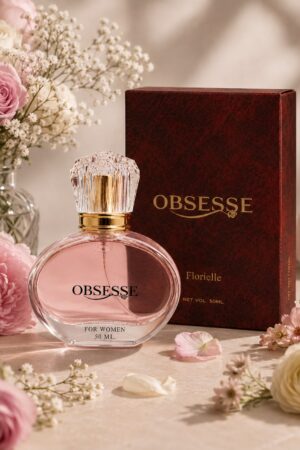
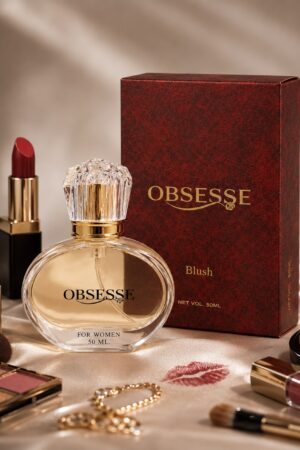
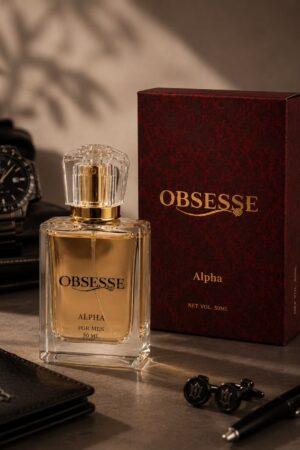
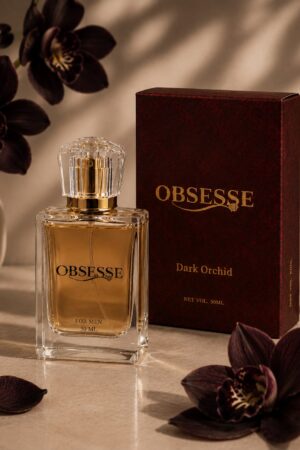
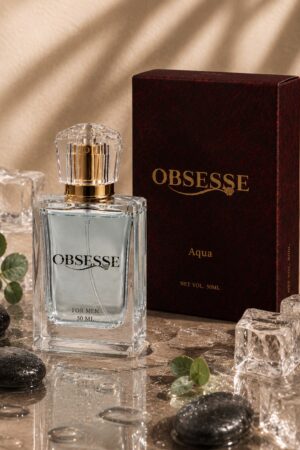
Obsesse Fragrance offers individual perfume product pages and tester formats for shoppers in India. Because the currently published product descriptions do not consistently state a verified concentration percentage, this article does not assign an EDT, EDP or Parfum category to any individual Obsesse scent. Check the live product page and packaging for the applicable label and directions.
If you want to compare scents before choosing a larger bottle, review the current details for the single 8 ml tester or the five-piece 8 ml tester option. Availability, selection and pricing can change, so use the product page as the current source.
Frequently asked questions
What is the main difference between EDP and EDT?
EDP generally contains a higher fragrance concentration than EDT. Typical ranges overlap, however, and the complete formula determines how each product smells and performs.
Is Parfum stronger than EDP?
Parfum usually belongs to a higher concentration range, but “stronger” can mean longevity, projection or richness. A parfum may last well while sitting closer to the skin than a more diffusive EDP.
Which is best for Indian weather?
There is no universal winner. Test the actual fragrance in conditions similar to your routine, including heat, humidity, commuting and air-conditioned spaces. Comfort and application matter as much as the concentration name.
Is EDT only for daytime?
No. Day and evening labels are styling suggestions, not rules. Wear the formula that fits the occasion, environment and your preference.
Does EDP require fewer sprays than EDT?
Often it may, but there is no reliable spray count for every fragrance. Atomisers and formulas differ. Follow the product instructions, start conservatively and adjust only after testing.
Can EDT and EDP of the same perfume smell different?
Yes. A brand may change the note balance or formula between concentrations, so they may be related interpretations rather than identical scents at different strengths.
How can I confirm a perfume’s concentration?
Check the product label, box and official listing. If a percentage or category is not stated, ask the seller or brand rather than guessing from price, colour or bottle design.
The practical answer
In the EDP vs EDT vs Parfum comparison, concentration helps you build a shortlist, but a careful wear test makes the final decision. Confirm the label, compare the complete scent, consider your daily environment and buy the version you will enjoy using responsibly. That approach is more reliable than treating EDP or Parfum as an automatic upgrade.